How Often Should You Repaint Your Property in Perth?
Paint does more than improve the appearance of a property. It also helps protect surfaces from everyday wear, weather exposure and the gradual effects of time.
Whether you own a family home, manage an investment property or look after a commercial building, knowing when to repaint can help you maintain its appearance and address potential problems before they become more extensive.
But how often should a property be repainted?
There isn’t a single answer that applies to every building. The condition of the existing paint, surrounding environment, surface materials and level of daily use all influence how long a painted finish will last.
In Perth, strong sunlight, seasonal weather changes and coastal exposure can also affect exterior painted surfaces.
This guide explores typical repainting intervals, signs of paint deterioration and practical considerations for maintaining residential and commercial properties.
How Long Does Paint Typically Last?
The lifespan of a paint finish depends on several factors, including the quality of the coating, surface preparation, application and ongoing maintenance.
As a broad planning guide:
| Surface | General Repainting Guide |
|---|---|
| Exterior house walls | Often around 5–10 years |
| Interior residential walls | Often around 5–10 years |
| Ceilings in low-use rooms | May last considerably longer |
| Doors, trims and high-contact areas | May require more frequent attention |
| Commercial interior walls | Depends heavily on occupancy and daily use |
| Commercial exterior surfaces | Depends on exposure, materials and coating condition |
These are general planning estimates, not fixed replacement schedules. A well-maintained coating may remain serviceable considerably longer, while poorly prepared or heavily exposed surfaces may need attention sooner.
The condition of the paint is ultimately more important than its age.
Why Perth’s Climate Matters
Perth’s climate creates particular considerations for exterior painting.
Properties experience prolonged periods of sunshine during summer, while winter brings cooler conditions and seasonal rainfall.
Buildings closer to the coast may also be exposed to salt-laden air and wind-driven moisture.
Over time, these conditions can affect the appearance and performance of exterior coatings.
Sunlight and UV Exposure
Exterior walls exposed to direct sunlight may experience gradual fading, particularly where the colour or coating has limited resistance to UV exposure.
Different elevations of the same building can also age at different rates.
For example, a wall receiving substantial afternoon sunlight may show visible changes sooner than a sheltered wall.
This doesn’t necessarily mean the entire building needs repainting immediately, but it is worth monitoring areas exposed to stronger sunlight.
Coastal Conditions
Properties in coastal suburbs can experience additional exposure to salt, wind and moisture.
These conditions may influence how quickly some exterior surfaces deteriorate, particularly metal components and areas where existing coatings are damaged.
Regular inspection and suitable maintenance can help identify issues before they become more significant.
Rain and Moisture
Moisture can affect painted surfaces when water enters through damaged sealants, cracks, leaking gutters or other building defects.
Blistering, peeling or persistent discolouration may indicate an underlying issue.
In these situations, identifying and correcting the moisture source is more important than simply applying another coat of paint.
6 Signs Your Property May Need Repainting
Rather than relying entirely on the number of years since the last paint job, pay attention to visible changes in the existing finish.
Here are six common signs worth investigating.
1. Fading or Uneven Colour
Colour changes are often among the earliest visible signs of paint ageing.
Exterior walls can gradually lose their original colour intensity because of exposure to sunlight and weather.
Interior walls may also appear uneven where furniture has been moved, artwork has been removed or certain areas have received more light than others.
Some fading is primarily cosmetic, but significant or uneven deterioration may indicate that the finish needs attention.
2. Peeling or Flaking Paint
Peeling and flaking occur when the paint film loses adhesion to the underlying surface or coating.
Possible contributing factors include inadequate surface preparation, moisture, ageing coatings or incompatible paint systems.
Applying new paint directly over loose material is unlikely to provide a lasting result.
The affected surface needs to be assessed and prepared appropriately before repainting.
3. Cracking or Blistering
Cracks and blisters can develop for several reasons.
Small paint-film defects may relate to coating performance, while larger cracks can indicate movement or deterioration in the underlying material.
Blistering can also be associated with moisture or adhesion problems.
Where the cause is unclear, the underlying surface should be investigated before cosmetic repairs are carried out.
4. Chalking on Exterior Walls
Have you noticed a powdery residue when rubbing your hand across a painted exterior surface?
This is commonly referred to as chalking.
Chalking can occur as exterior paint gradually weathers. A small amount may be normal, but excessive chalking can indicate significant coating deterioration.
The extent of chalking should be assessed before deciding whether cleaning, preparation or repainting is necessary.
5. Marks That No Longer Clean Away
Interior walls experience constant contact from furniture, hands, equipment and everyday activity.
Over time, some areas may develop stains, scuffs or uneven finishes that cannot be removed through appropriate cleaning.
This is particularly common around doorways, corridors, kitchens and other frequently used spaces.
When cleaning no longer restores the appearance of a wall, repainting may be worth considering.
6. Repeated Patching and Uneven Finishes
Small repairs are normal throughout the life of a building.
However, repeated patching can create visible differences in colour, sheen and surface texture.
Even when the original paint colour is known, an older painted surface may no longer match a fresh application perfectly.
Where multiple repairs have affected the appearance of a room or wall, repainting the complete surface may provide a more consistent finish.
How Often Should Residential Properties Be Repainted?
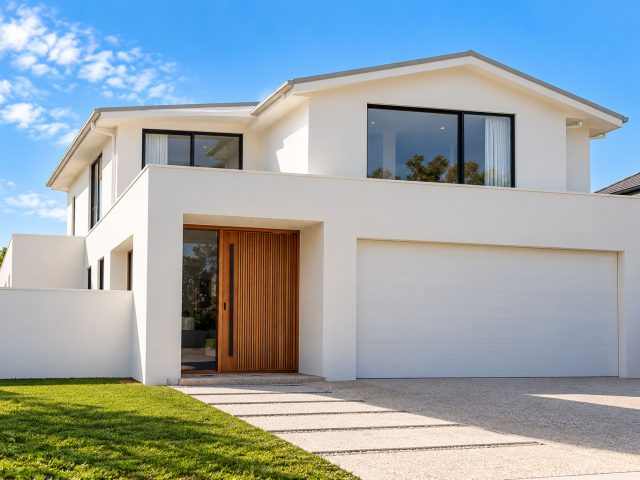
For residential properties, repainting decisions are often influenced by lifestyle, room usage and the condition of existing surfaces.
Bedrooms and low-traffic living spaces may remain in good condition for many years.
Hallways, kitchens, children’s rooms and other frequently used areas can experience more marks and general wear.
Exterior surfaces require a different assessment because they are continuously exposed to environmental conditions.
A house may have internal walls that still look excellent while the exterior requires maintenance.
Alternatively, the exterior coating may remain in good condition while the homeowner wants to refresh interior colours.
The key is to assess different areas individually rather than assume every surface needs repainting at the same time.
For homeowners considering a more substantial update, Decoric Painting provides residential painting services across the Perth metropolitan area.
What About Commercial Buildings?
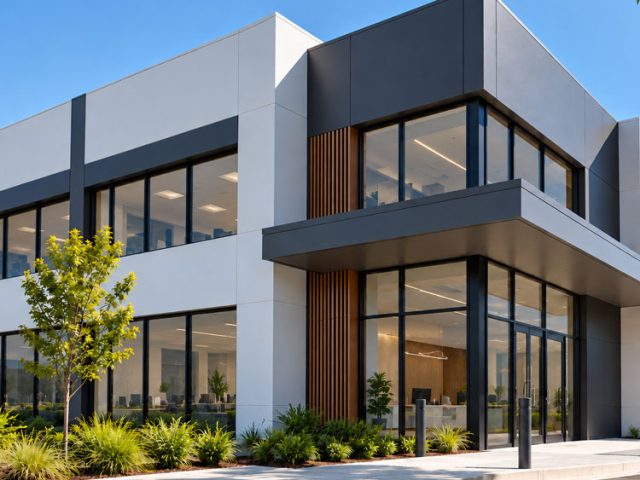
Commercial properties often have different maintenance requirements from residential homes.
An office, retail store, restaurant, warehouse and educational facility may all experience different levels of daily activity.
The appropriate repainting schedule depends on the building’s use, its existing surfaces and the standards of presentation required.
High-Traffic Areas
Corridors, entrances, reception areas and shared facilities often experience frequent contact.
These locations may require more regular inspection and maintenance than private offices or low-use spaces.
Customer-Facing Environments
For businesses welcoming customers and visitors, the appearance of painted surfaces contributes to the overall presentation of the premises.
Marked or deteriorating walls can affect how a space is perceived, even when the underlying building remains in good condition.
Refreshing selected areas may sometimes be enough to restore a consistent appearance.
Operational Considerations
Painting an occupied commercial property involves more than choosing colours and scheduling painters.
Business operations, staff access, customer movement and other site activities may influence when work can be completed.
For larger projects, painting may need to be planned in stages to minimise unnecessary disruption.
Property managers and business owners can learn more about Decoric Painting’s approach to commercial painting and maintaining business environments.
Is It Better to Repaint Everything at Once?
Not always.
The decision depends on the condition of different surfaces and the goals of the property owner.
In some situations, repainting a single room, wall or area is a practical solution.
In others, a more comprehensive repaint may provide a better result.
For example, repairing and repainting one damaged wall may be appropriate if the surrounding surfaces are still in excellent condition.
However, where an entire room has uneven colour, multiple repairs or widespread wear, repainting all the walls may create a more consistent finish.
The same principle applies to exterior surfaces.
A sheltered section of a building may remain in good condition while a more exposed elevation requires attention.
An assessment of the existing coatings can help determine whether selective maintenance or broader repainting is appropriate.
Can Regular Maintenance Help Paint Last Longer?
Appropriate maintenance can help preserve the appearance and performance of painted surfaces.
It can also make it easier to identify potential problems before they develop further.
Consider the following maintenance practices:
- Inspect exterior surfaces periodically. Look for peeling, cracking, excessive chalking and other changes.
- Clean painted surfaces appropriately. Follow the coating manufacturer’s recommendations and avoid harsh cleaning methods.
- Address moisture problems early. Investigate leaks, damaged sealants and other potential water-entry points.
- Repair minor damage. Small chips and exposed areas may deteriorate further if left untreated.
- Monitor high-contact areas. Pay attention to doors, trims, corridors and frequently used walls.
- Keep paint records. Knowing the original colours, products and application dates can make future maintenance easier.
Dulux also recommends appropriate cleaning and periodic washing to help maintain painted surfaces, with cleaning methods selected according to the coating and finish.
These measures won’t prevent every form of deterioration, but they can support more informed maintenance decisions.
Should You Keep the Same Colour When Repainting?
Repainting provides an opportunity to reassess a property’s appearance.
Some owners prefer to retain their existing colours, particularly when they complement the architecture and surrounding finishes.
Others may choose to introduce a different colour palette to create a more contemporary look.
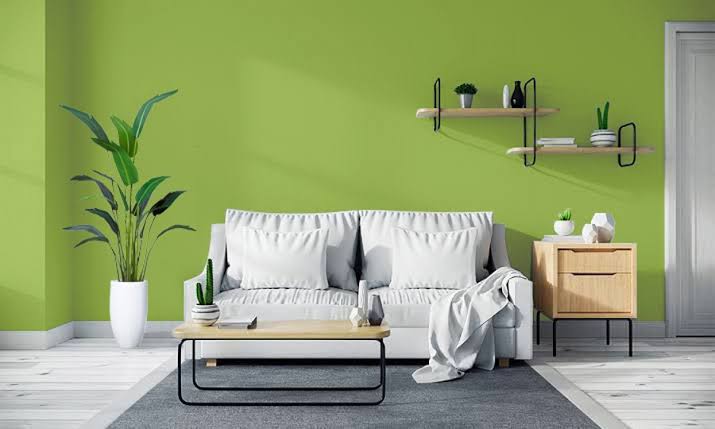
For residential interiors, factors such as natural light, flooring, furniture and room proportions can influence how a colour appears.
For commercial properties, colour decisions may also need to consider existing branding, interior materials and the purpose of different spaces.
If you’re considering a different direction, explore Decoric Painting’s Paint Colour Guide for inspiration across different colour families.
When choosing colours, remember that a sample may look different depending on the surface, lighting and surrounding materials.
What Should You Check Before Planning a Repaint?
Before deciding whether to repaint your property, it helps to understand the condition of the existing surfaces.
Start by looking for areas where the paint is damaged, uneven or visibly deteriorating.
Consider whether the problem affects one location or several parts of the building.
You should also identify any issues that may require attention before painting begins, such as moisture, deteriorating sealants or damaged substrate materials.
For commercial properties, think about how the proposed work might affect normal building operations.
For residential properties, consider whether you want to maintain the existing appearance or make broader changes to the colour scheme.
Taking these factors into account can help you develop a more realistic project scope.
A Well-Maintained Finish Starts With the Right Approach
There’s no universal repainting schedule that suits every home or commercial property.
Some surfaces may remain attractive and serviceable for many years, while others require earlier attention because of environmental exposure, frequent use or underlying surface problems.
The most useful approach is to monitor the condition of your property and respond to signs of deterioration rather than relying on a fixed number of years.
Good surface preparation, appropriate products and ongoing maintenance all contribute to the performance of a painted finish.
Planning Your Next Painting Project?
Decoric Painting works with homeowners, businesses and property managers across Perth, providing painting solutions suited to different properties and project requirements.
Whether you’re assessing an ageing exterior, planning an interior refresh or considering maintenance for a commercial building, understanding the condition of your existing surfaces is a useful starting point.
Contact Decoric Painting to discuss your property and upcoming painting requirements.